You need a retaining wall when soil has to be held in place rather than reshaped — when the slope is moving, when you want usable flat ground where there is none, or when something above or below the slope would be at risk if it gave way. Plenty of slopes that look alarming need none of that, and regrading or planting solves them for far less.
Signs a slope is moving rather than settled
A settled slope has been the same shape for years. Vegetation covers it evenly, the soil surface is intact, and nothing at the top or bottom has shifted.
A moving slope tells you. Look for step-like cracks across the surface, soil bulging or fanning out at the base, trees and fence posts leaning downhill, exposed roots where soil has washed off, bare channels cut into the face, or a driveway, patio or wall above the slope showing new cracks.
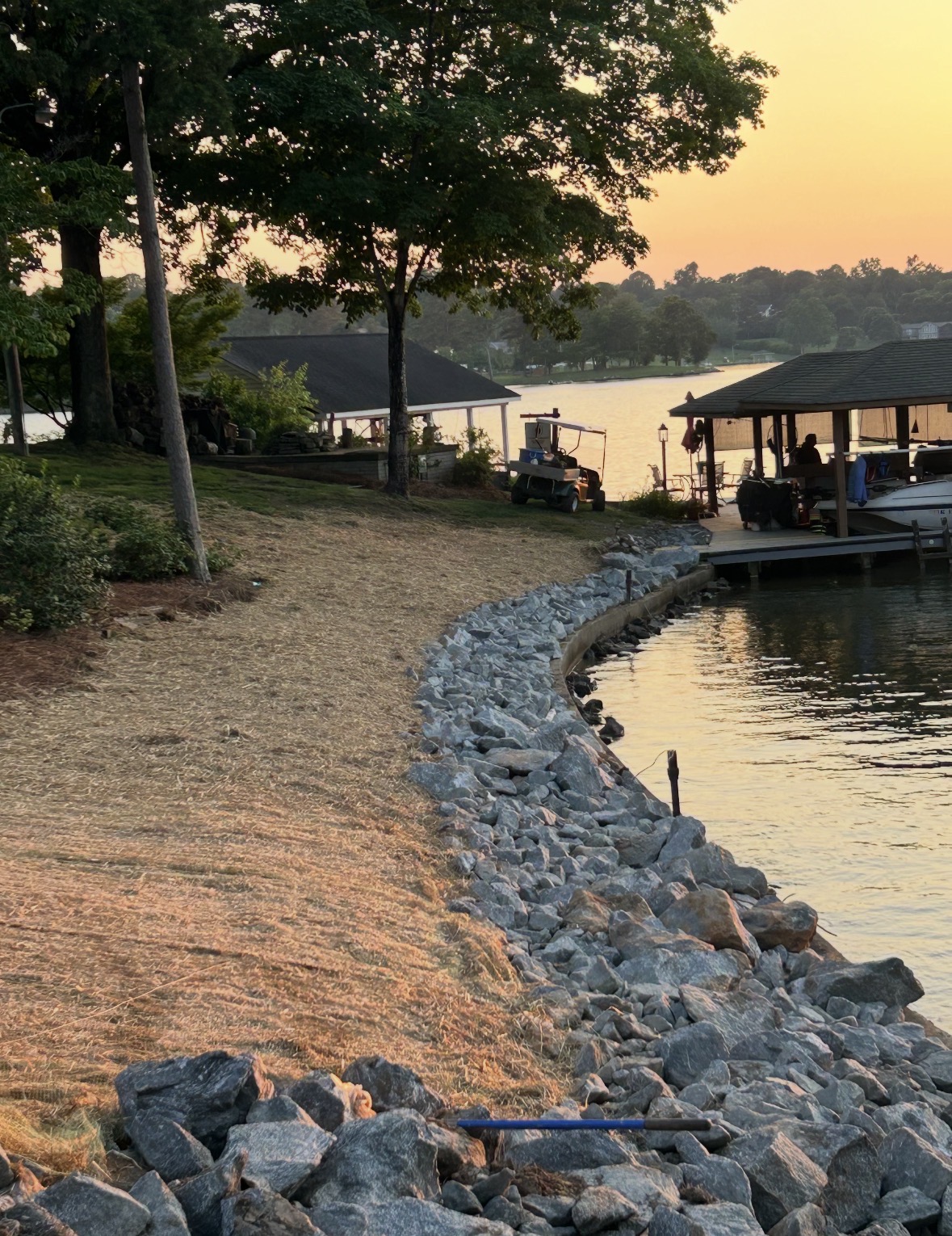
Undercutting at the toe is the one to take most seriously. If water or foot traffic is removing soil from the bottom of a slope, everything above it loses support gradually and then all at once.
The three reasons to build one
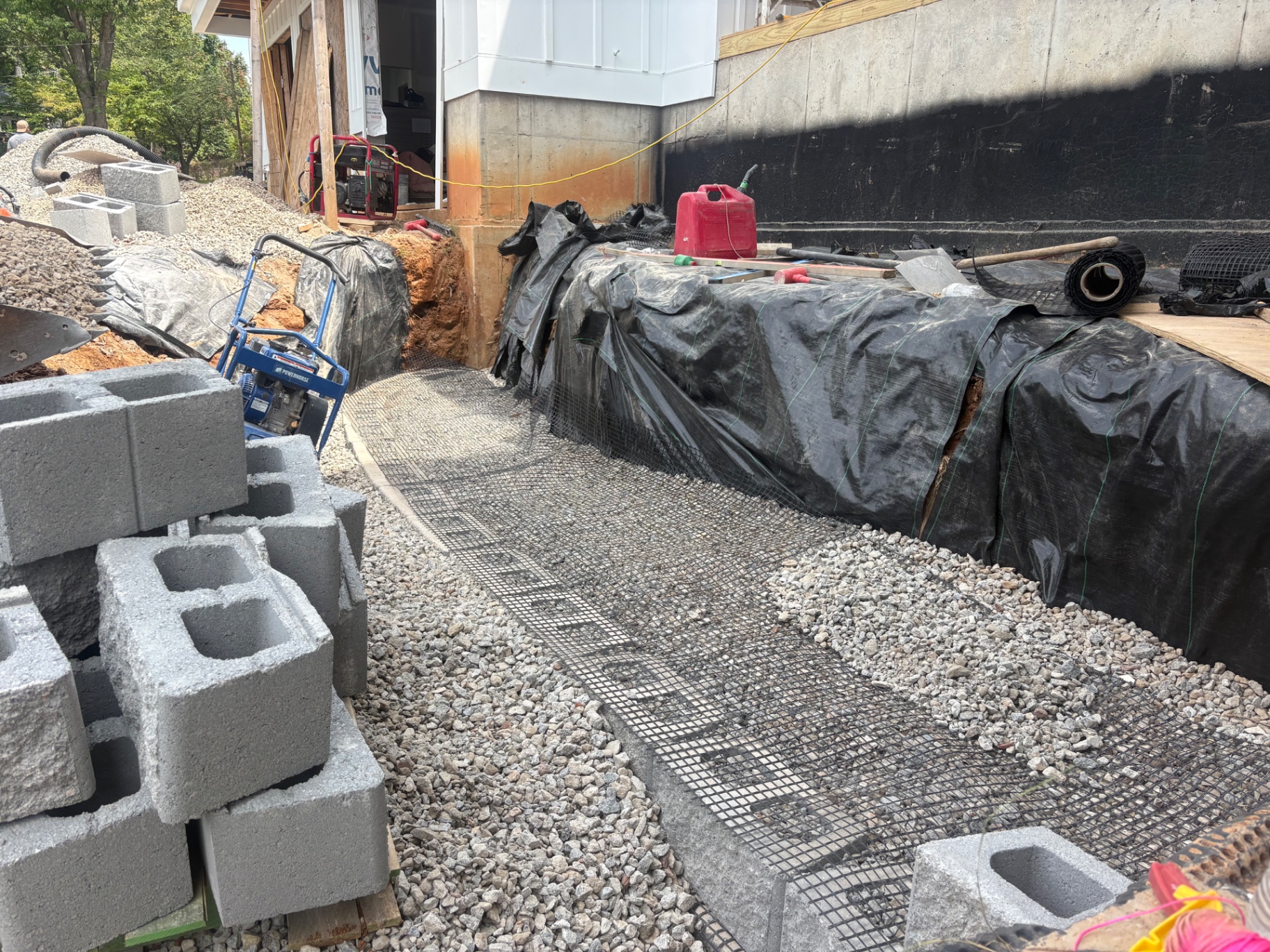
Structural. The slope will not hold itself, or something it supports — a driveway, a foundation, a neighbouring property — cannot tolerate movement.
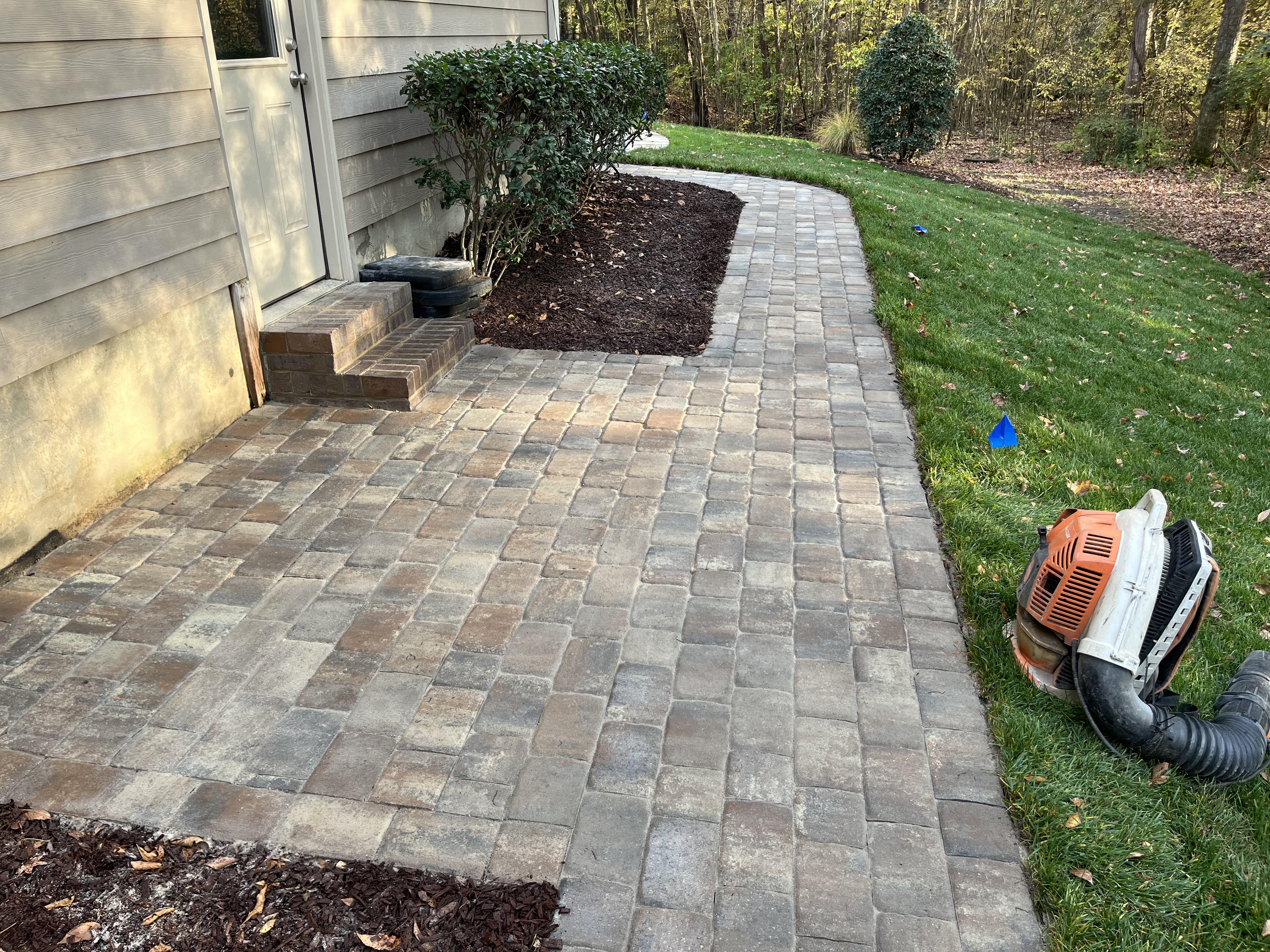
Functional. You want level ground the slope currently denies you: a patio, a lawn area, a garden, a wider driveway turn. A wall creates flat space where grading alone cannot without removing an unreasonable amount of soil.
Practical maintenance. A slope too steep to mow safely, or one that erodes every time it rains, becomes a permanent chore. A wall converts it into two flat areas that look after themselves.
When regrading solves it more cheaply
If there is room to lay the slope back to a gentler angle, and no structure at the top that would be undermined by cutting into it, regrading is usually the better value. It has no structure to maintain, no drainage system behind it, and no engineering requirement.
This works when the height difference is modest, when there is space to spread the slope out, and when the reason for the slope is convenience rather than a boundary or a building.
It stops being an option when the property line is close, when the change in level is significant over a short distance, or when a structure sits at the top of the slope.
The point where doing nothing gets expensive
Erosion is cumulative and quiet until it is not. Soil leaving a slope for three seasons is a planting problem. A slope that has slipped is an excavation, disposal and construction problem, and it usually takes something with it.
The costs that arrive with delay: replacing lost topsoil, repairing whatever the sliding soil buried, rebuilding a driveway edge or patio corner that lost support, and building the wall anyway — now on disturbed ground that needs more excavation to reach stable soil.
If a slope has started to move, the cheapest moment to act is now, and that is true regardless of season.
How to decide
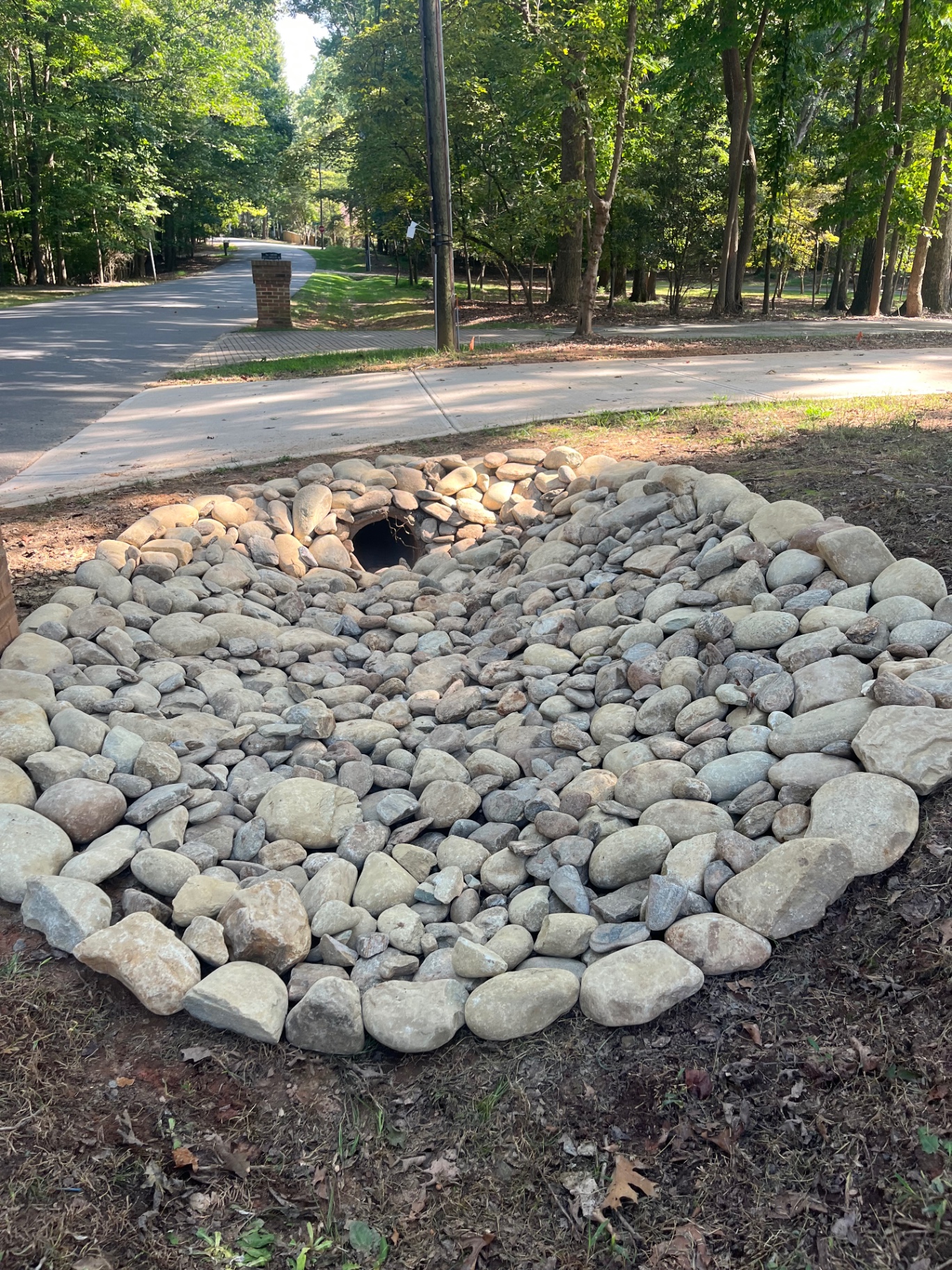
Slope is stable, you just do not like mowing it: plant it, or regrade if there is space. Slope is eroding but not moving as a mass: divert the water at the top and stabilise the surface. Slope is moving, undercutting, or supporting something: build a wall, and build it with drainage.
Southern Style Turf & Design assesses slopes across Lake Norman and will tell you when a wall is not what you need. Free on-site estimate, no trip fee.
Helpful outside reference
Design and installation guidance for segmental retaining walls comes from the National Concrete Masonry Association.
Frequently asked questions
How do I know if I need a retaining wall?
You need one if the slope is moving, if something above or below it would be at risk from movement, or if you want level usable ground that grading alone cannot create. A stable slope that is merely inconvenient usually does not need one.
Can regrading replace a retaining wall?
Often, when there is room to lay the slope back to a gentler angle and no structure at the top that would be undermined. It is cheaper and has nothing to maintain afterward.
What are the signs a slope is failing?
Step-like cracks across the surface, soil bulging at the base, leaning trees or fence posts, exposed roots, and new cracking in a driveway or patio above the slope.
What happens if I wait?
Erosion keeps removing soil and eventually the slope slips, taking part of whatever sits on it. You then pay for excavation, disposal, repairs and the wall you were going to build anyway.
Want this looked at on your property?
We give free, no-pressure on-site estimates across Denver, Mooresville, Cornelius, Davidson, Huntersville and Troutman.