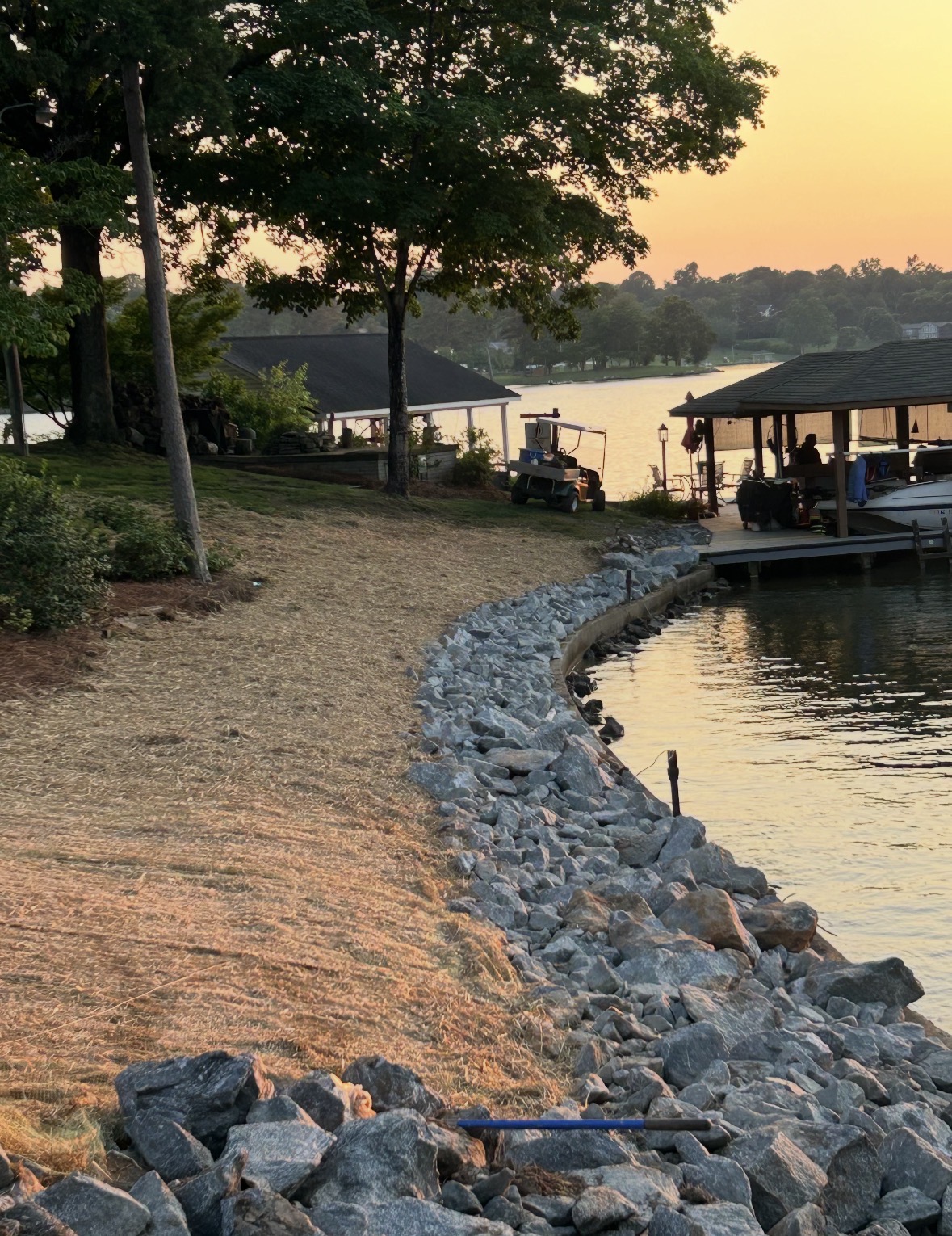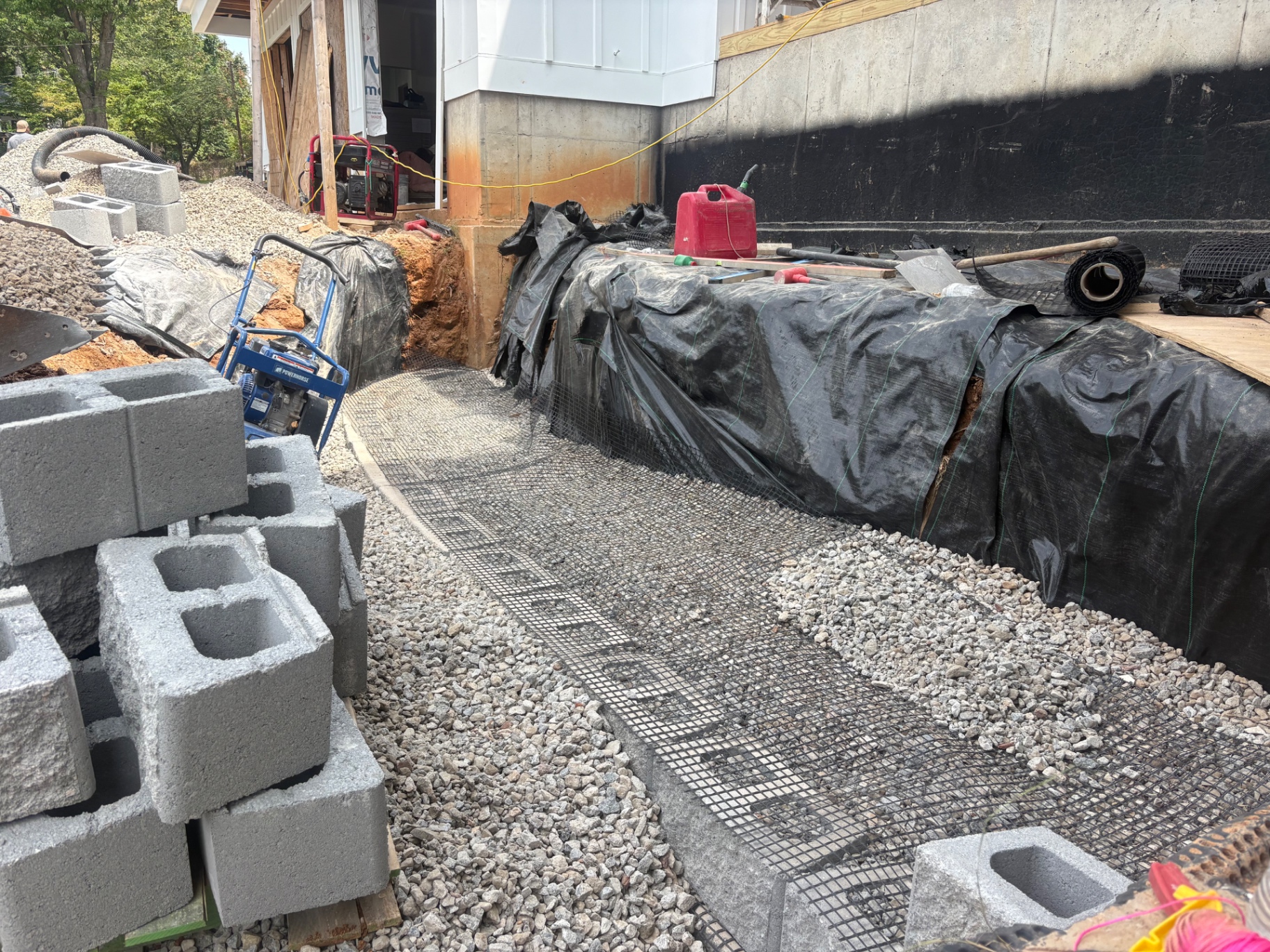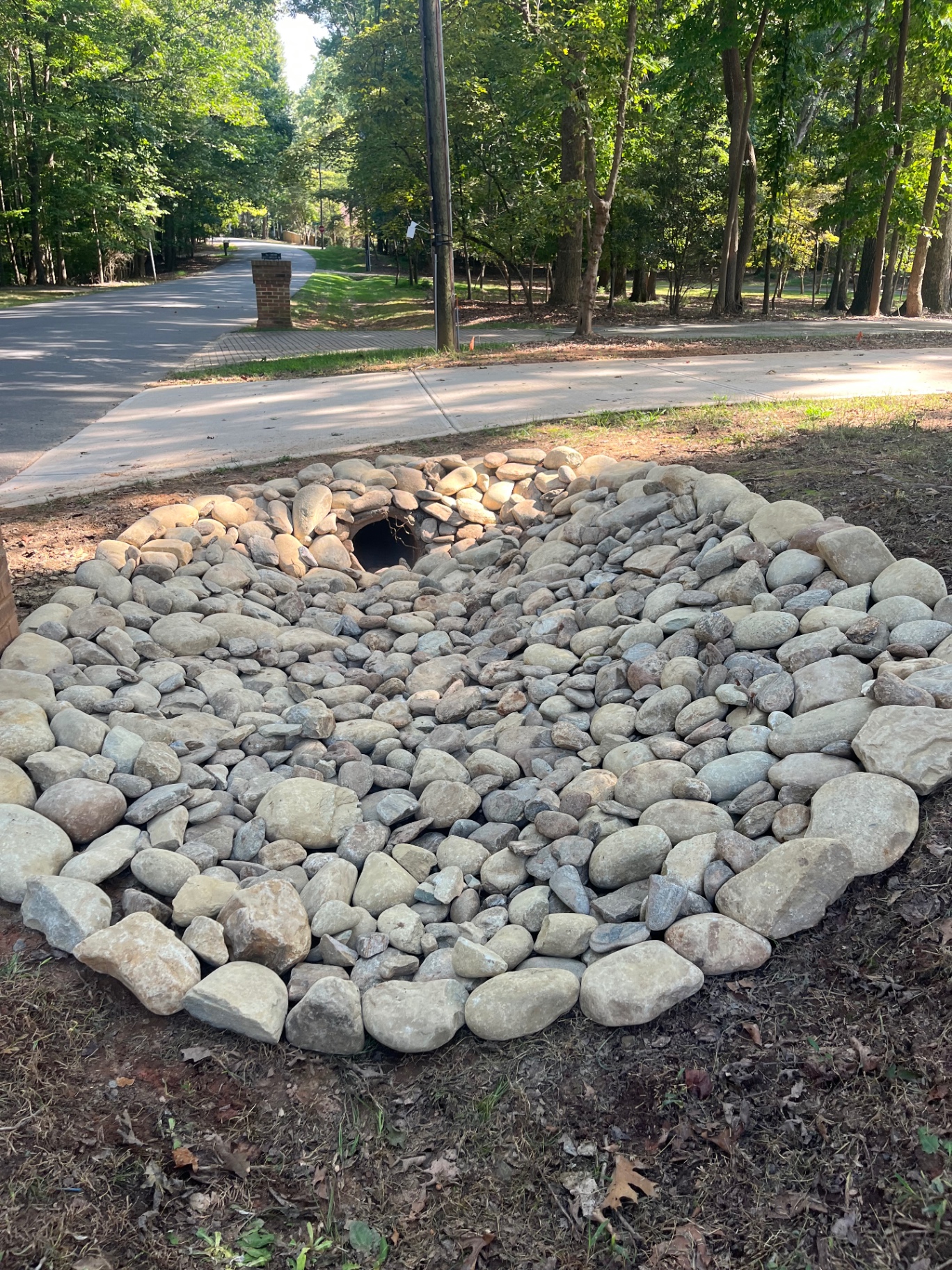
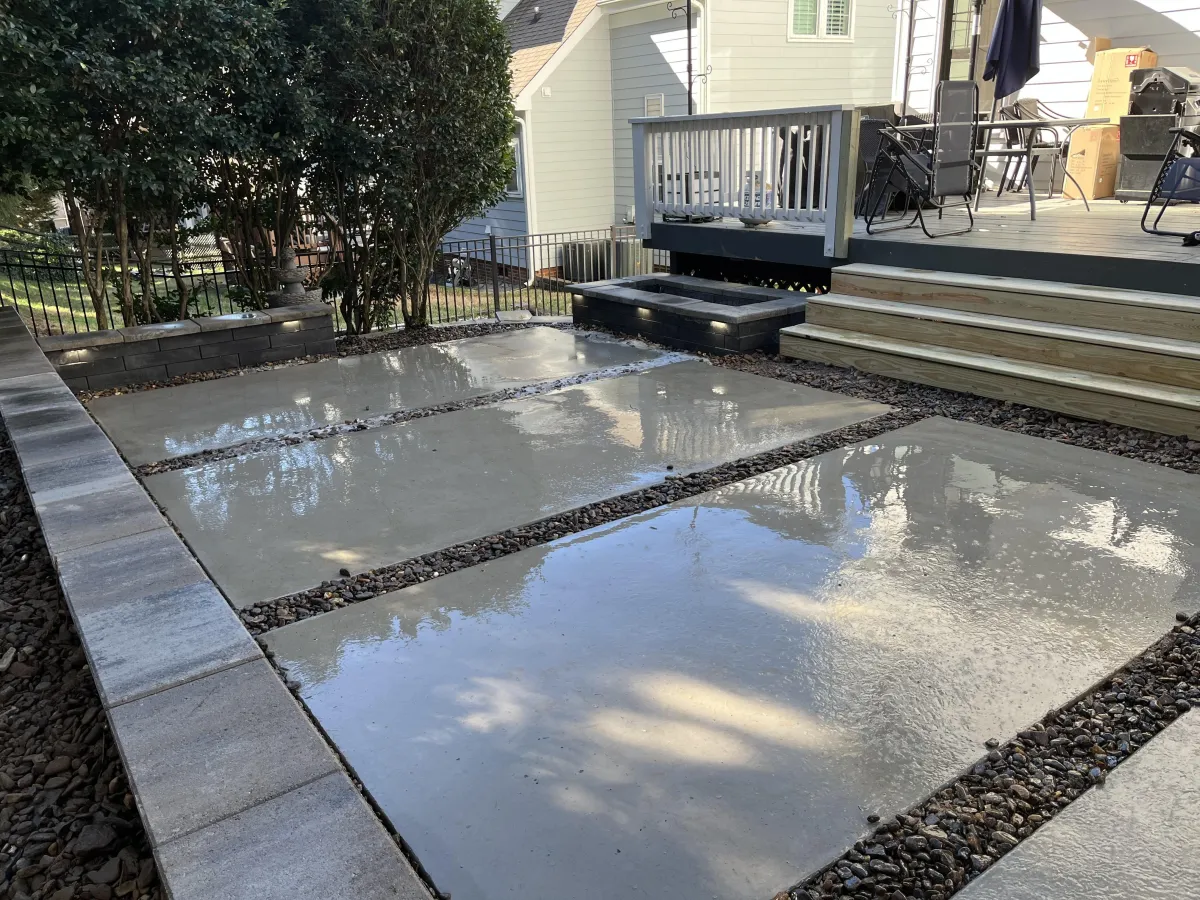
The company named on a landscaping or hardscape proposal is not always the company performing the work. Subcontracting is not automatically a warning sign, but homeowners should know who will be on the property, who supervises the work, and who remains accountable when plans change or a correction is needed. Southern Style Turf & Design does not subcontract its installation work: one in-house crew keeps responsibility with the company from the site visit through the final walkthrough.
Why the crew model belongs in your contractor comparison
Most homeowners compare design, materials, schedule, and price. The labor model matters just as much because it affects communication, quality control, site care, and the response when field conditions differ from the estimate.
Ask every bidder whether the people installing the project are employees, subcontractors, or a combination. Then ask who directs their daily work and who has authority to approve a change. A clear contractor should answer without treating the question as confrontational.
Subcontracting is not automatically bad—but hidden responsibility is
Specialty subcontractors can be appropriate when a project requires a trade or service outside a contractor's normal scope. The risk begins when the homeowner is not told who will perform the work, the proposal does not assign responsibility, or the primary contractor cannot explain how the crew is selected and supervised.
A subcontractor arrangement can add another handoff between the person who sold the job and the person making decisions in the field. That can create misunderstandings about elevations, drainage outlets, material selections, access, cleanup, or approved changes unless one accountable project lead stays involved.
The useful question is not simply, ‘Do you use subcontractors?’ It is, ‘Who is responsible for the finished result, and how will that person control the work each day?’
Common risks to investigate before signing
These are questions to investigate, not assumptions about every company that uses subcontractors. Strong contractors can document their process; weak arrangements often become vague when responsibility is discussed.
- The estimator and installation crew have different understandings of the agreed scope.
- No named person is consistently responsible for decisions on site.
- Insurance or workers' compensation status is unclear for everyone performing the work.
- Changes are discussed verbally but never priced and approved in writing.
- Base preparation, drainage, or compaction details are left to an unknown crew.
- The primary contractor and subcontractor point to each other when a correction is requested.
- The homeowner does not know who controls site access, cleanup, or damage prevention.
What an in-house crew model changes
With an in-house crew, the company that evaluates the site also directs the people building the work. That shorter chain of responsibility makes it easier to carry site-specific details—from drainage flow and finished elevations to material selections and access limits—from the estimate into construction.
It also creates a clearer path for questions. The homeowner should not have to determine which separate company is responsible for a missed detail or correction. One contractor remains responsible for supervision, communication, workmanship, and the final walkthrough.
An in-house model does not replace a detailed proposal, proper insurance, or sound construction methods. It strengthens accountability when those fundamentals are already in place.
How Southern Style Turf & Design approaches the work
Southern Style Turf & Design is locally owned, insured in North Carolina, and does not subcontract its landscaping, drainage, grading, retaining wall, hardscape, concrete, or irrigation installations. One in-house crew provides a direct line from the homeowner's approved scope to the team performing the work.
That means questions about the plan, field conditions, and changes stay with Southern Style Turf & Design rather than being passed to an unfamiliar third party. Homeowners still receive the same advice we recommend when comparing any contractor: verify the written scope, ask who will supervise the property, and make sure responsibilities are clear before work begins.
Questions to ask about employees and subcontractors
Ask the same questions of every company and record the answers beside the proposal. Clear answers make it easier to compare accountability rather than relying on a sales presentation.
- Will employees, subcontractors, or both perform this project?
- Who is the named on-site supervisor and primary homeowner contact?
- How often will that supervisor be on the property?
- Can the company document current insurance, and what coverage applies to every worker on site?
- Who controls installation methods, drainage details, and material substitutions?
- Who may approve a change, and will every price change be written before work proceeds?
- Who handles permits, utility locates, HOA requirements, deliveries, and inspections?
- Who is responsible for cleanup, property damage, the final walkthrough, and later corrections?
Documents that should support the answers
Verbal assurances are difficult to compare. Ask for a proposal that identifies the contracting company, detailed scope, named materials, preparation methods, drainage plan, exclusions, payment milestones, change-order process, cleanup, and written warranty terms.
Ask to see a current certificate of insurance issued for the company on the proposal. If subcontractors will be involved, ask how their insurance and workers' compensation status are verified. Homeowners can also review comparable completed work, recent customer feedback, and the contractor's standing with relevant public or industry organizations.
Red flags during the conversation
Pause when a contractor will not identify who is coming to the property, dismisses insurance questions, offers only a one-line proposal, pressures you to sign immediately, or cannot say who will correct a problem after final payment.
Another warning sign is a promise that the crew will ‘figure it out’ without written base, drainage, grading, or material details. The parts that disappear underground or behind a wall should be defined before installation, not improvised after excavation begins.
Choose the clearest line of accountability
The best choice is not based on employee status alone. Choose the contractor who clearly identifies the people doing the work, documents how the project will be built, maintains appropriate coverage, communicates changes, and accepts responsibility for the finished result.
If you are planning work around Lake Norman, bring this guide to your estimate. Southern Style Turf & Design will explain who is on the crew, who oversees the project, and how the proposed scope moves from the site visit to installation.
Frequently asked questions
Are subcontractors always a problem on landscaping projects?
No. A qualified specialty subcontractor can be appropriate. Homeowners should verify who will perform the work, how that company is insured and supervised, and which contractor remains responsible for quality, communication, and corrections.
Why can an in-house landscaping crew be beneficial?
An in-house crew shortens the chain between the approved scope and the people installing it. It can improve communication, daily supervision, consistency, and accountability because one company directs the work and remains responsible for the result.
Does Southern Style Turf & Design use an in-house crew?
Yes. Southern Style Turf & Design does not subcontract its installation work. Its in-house crew handles landscaping, drainage, grading, retaining walls, hardscaping, concrete, and irrigation, keeping project responsibility with the same company from planning through the final walkthrough.
What should I ask before a contractor starts work?
Ask who will be on site, who supervises them, what insurance applies, who approves changes, who handles permits and utility locates, and who is responsible for cleanup, corrections, and warranty requests. Put the answers in the written agreement.
Want this looked at on your property?
We give free, no-pressure on-site estimates across Denver, Mooresville, Cornelius, Davidson, Huntersville and Troutman.