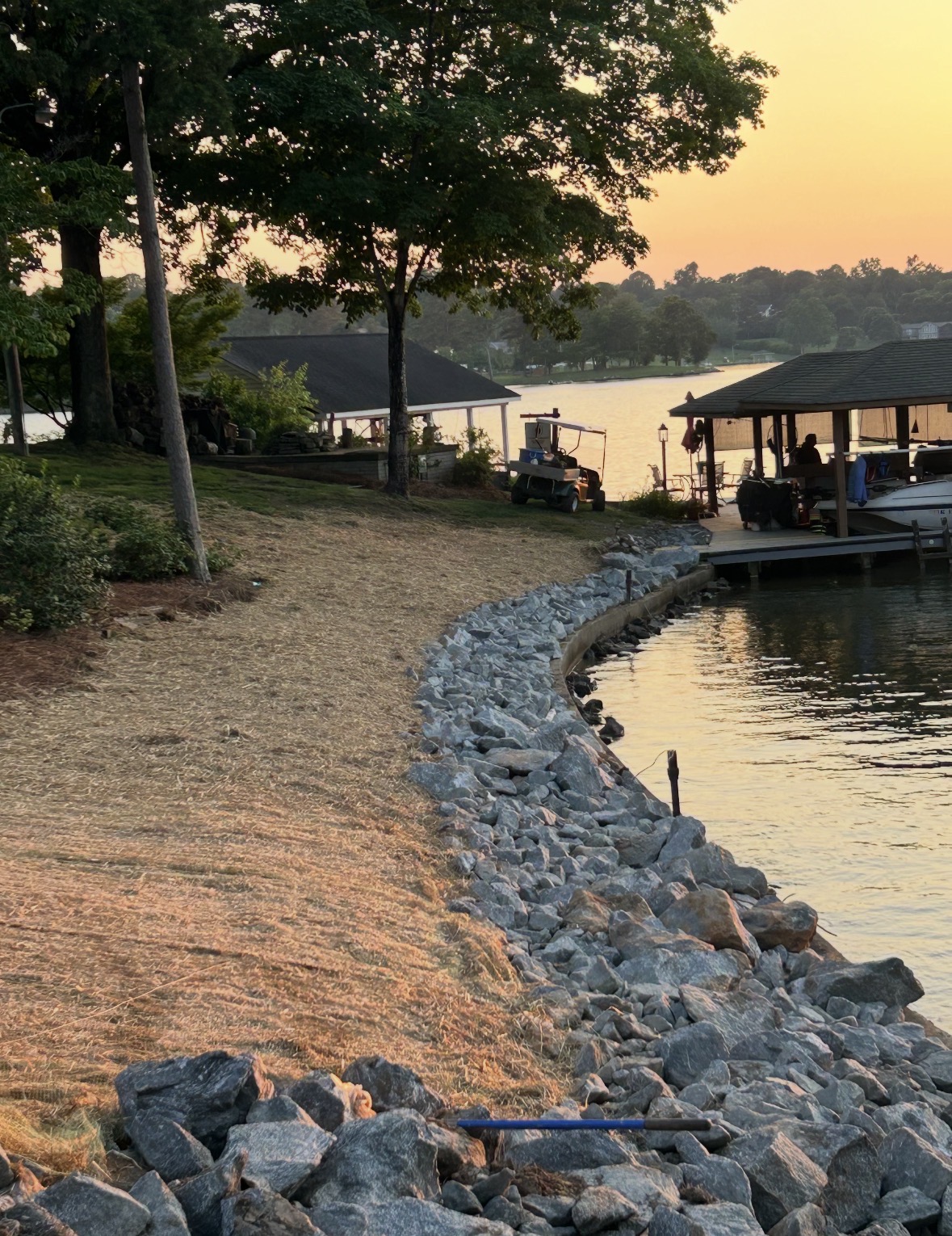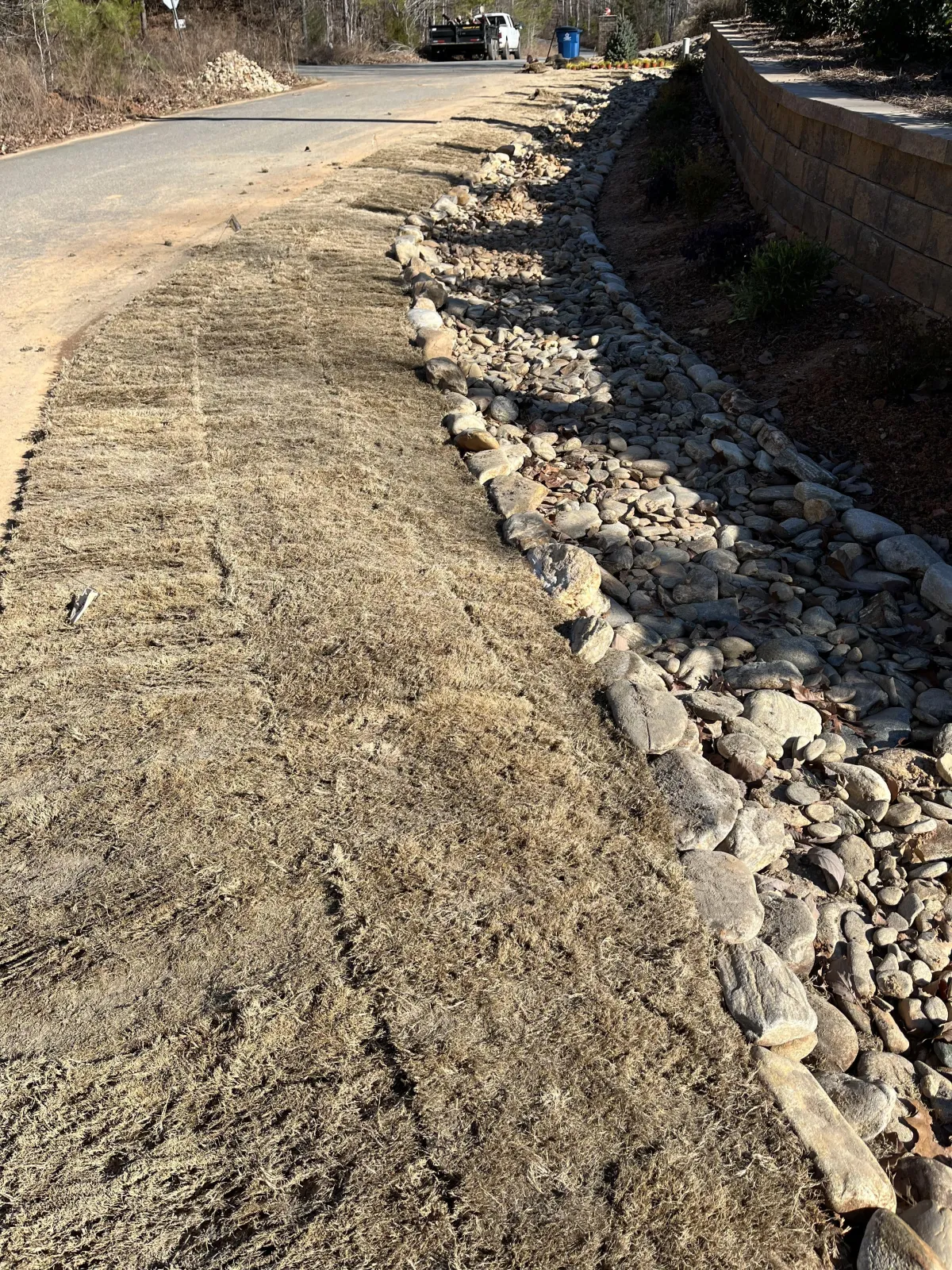
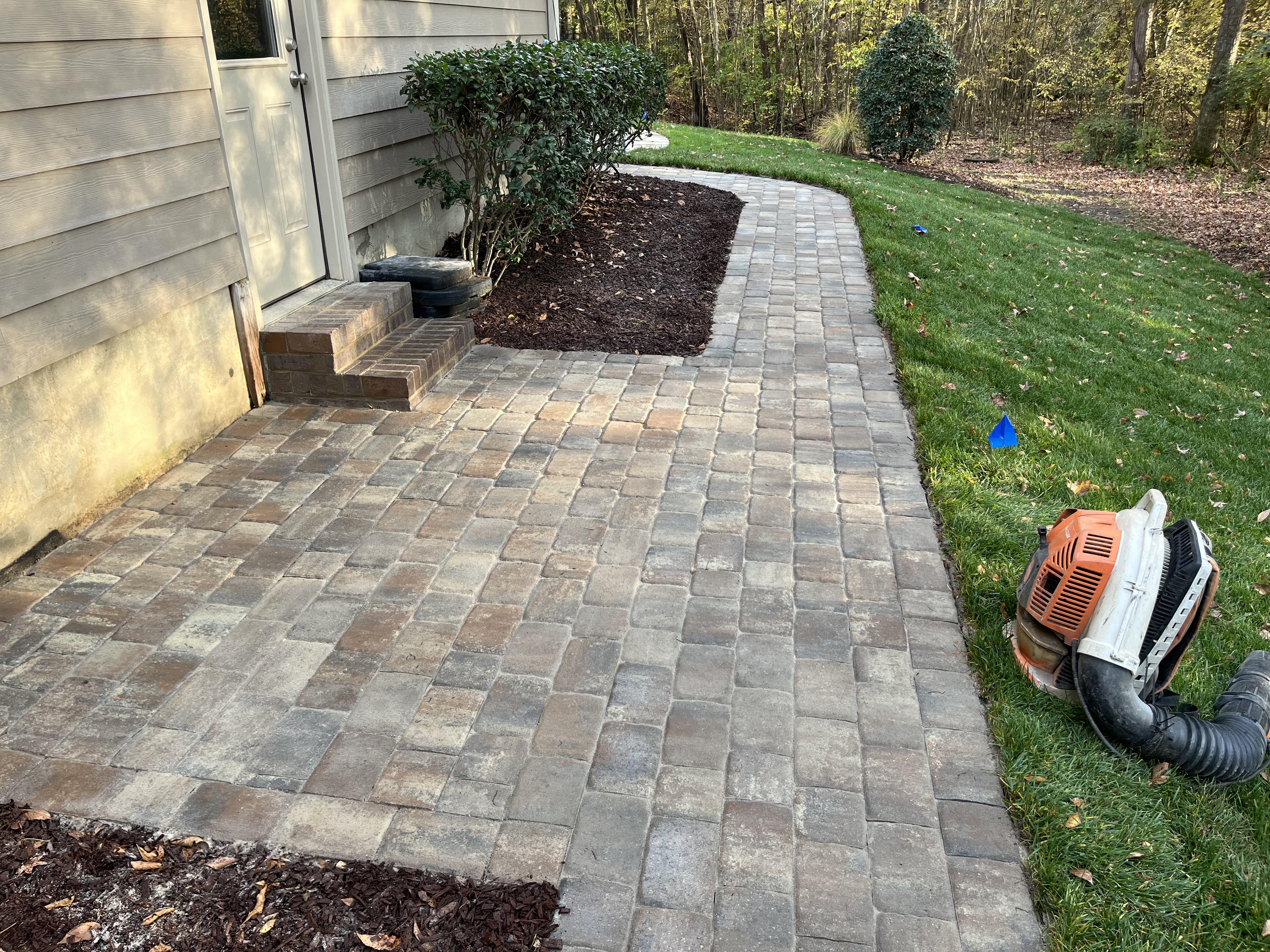
Not every part of a yard needs to be lawn, and some parts should not be. Groundcover solves the areas where grass has never worked.
Where groundcover beats lawn
Deep shade under trees and on the north side of the house, where turf never establishes.
Slopes too steep to mow safely, where groundcover also holds soil against erosion.
Narrow strips, side yards, and awkward corners a mower cannot reach.
Under and between shrubs, where it suppresses weeds better than mulch alone.
Areas nobody walks on — most groundcovers do not take foot traffic.
Options for different conditions
Shade: pachysandra, liriope, autumn fern and Christmas fern; native foamflower and green-and-gold in the right spots.
Sun and dry: creeping sedum, creeping thyme, dwarf mondo in smaller areas.
Slopes: liriope, juniper and dwarf shrub masses hold well once established.
Damp areas: sedges and moisture-tolerant natives, alongside proper drainage.
Ornamental grasses and low shrubs planted in masses do the same job at a larger scale and often look better against a house.
Confirm choices for your site with a local nursery or the North Carolina Cooperative Extension.
Establishment and honest maintenance
Prepare the bed properly and remove existing weeds and grass first. Planting into an unprepared area guarantees a weeding problem.
Space by mature spread — plant closer for faster coverage, accepting the higher plant cost.
Expect two to three seasons to full cover, and consistent weeding and watering during that time.
Mulch between plants while they fill in.
Once established, groundcover is genuinely lower maintenance than lawn: no mowing, less water, no seasonal overseeding.
Things to be careful about
Some vigorous groundcovers spread far beyond where you want them and into neighbouring property and woodland. English ivy is the well-known example in this region.
Check invasive species guidance for North Carolina before planting anything that spreads aggressively.
Give every groundcover area a firm edge, or it migrates into the lawn.
Check HOA rules if replacing visible front lawn area.
Southern Style Turf & Design installs groundcover and mass planting across the Lake Norman area, including bed preparation, edging and the drainage those areas usually need first.
Frequently asked questions
What is the best groundcover for shade in North Carolina?
Pachysandra, liriope and ferns are widely used. Confirm what suits your soil and moisture with a local nursery or extension office.
Can you walk on groundcover?
Most tolerate only occasional foot traffic. Put stepping stones or a path through areas people cross.
How long until groundcover fills in?
Typically two to three seasons, depending on spacing and species. Weeding and watering during that period is essential.
Want this looked at on your property?
We give free, no-pressure on-site estimates across Denver, Mooresville, Cornelius, Davidson, Huntersville and Troutman.