Almost nobody builds the whole backyard at once, and you should not have to. The trick is sequencing so phase two does not require tearing out phase one.
Build the patio first
The patio sets the geometry for everything else — where seating goes, how you reach the yard, where the fire feature lands. Building a fire pit or kitchen first and fitting a patio around it later almost always produces awkward circulation and cut-in patchwork.
Handle grade and water before surfaces
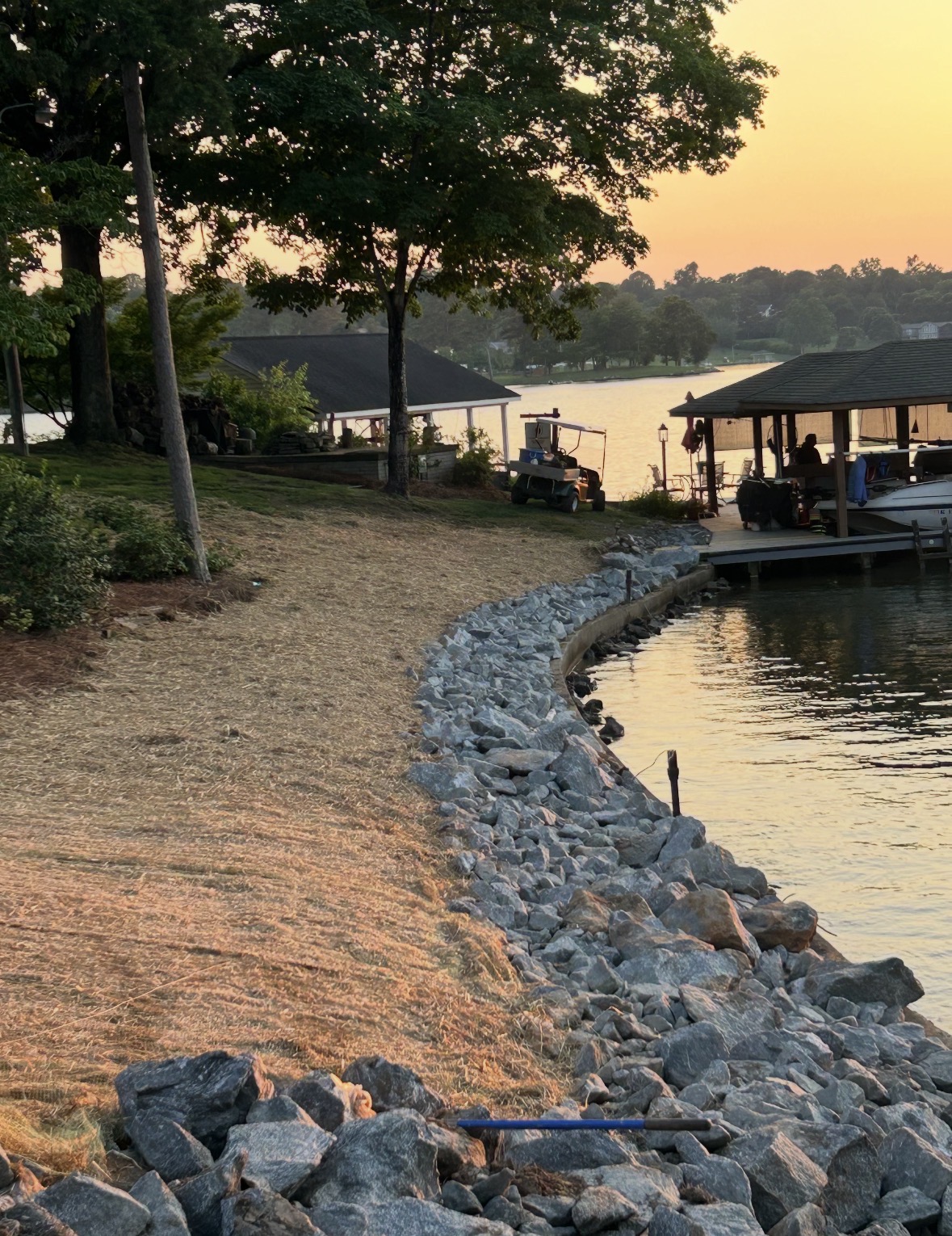
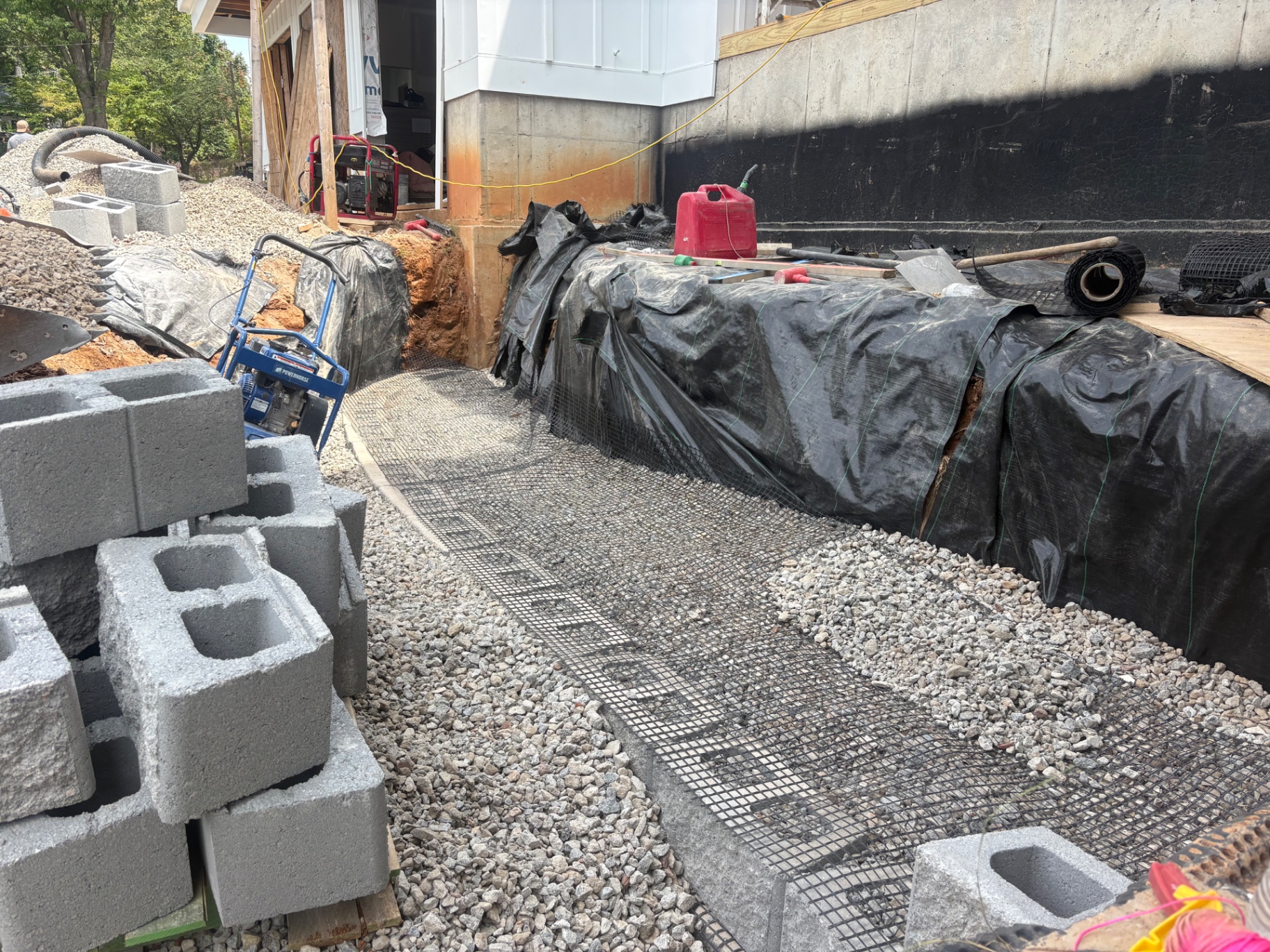
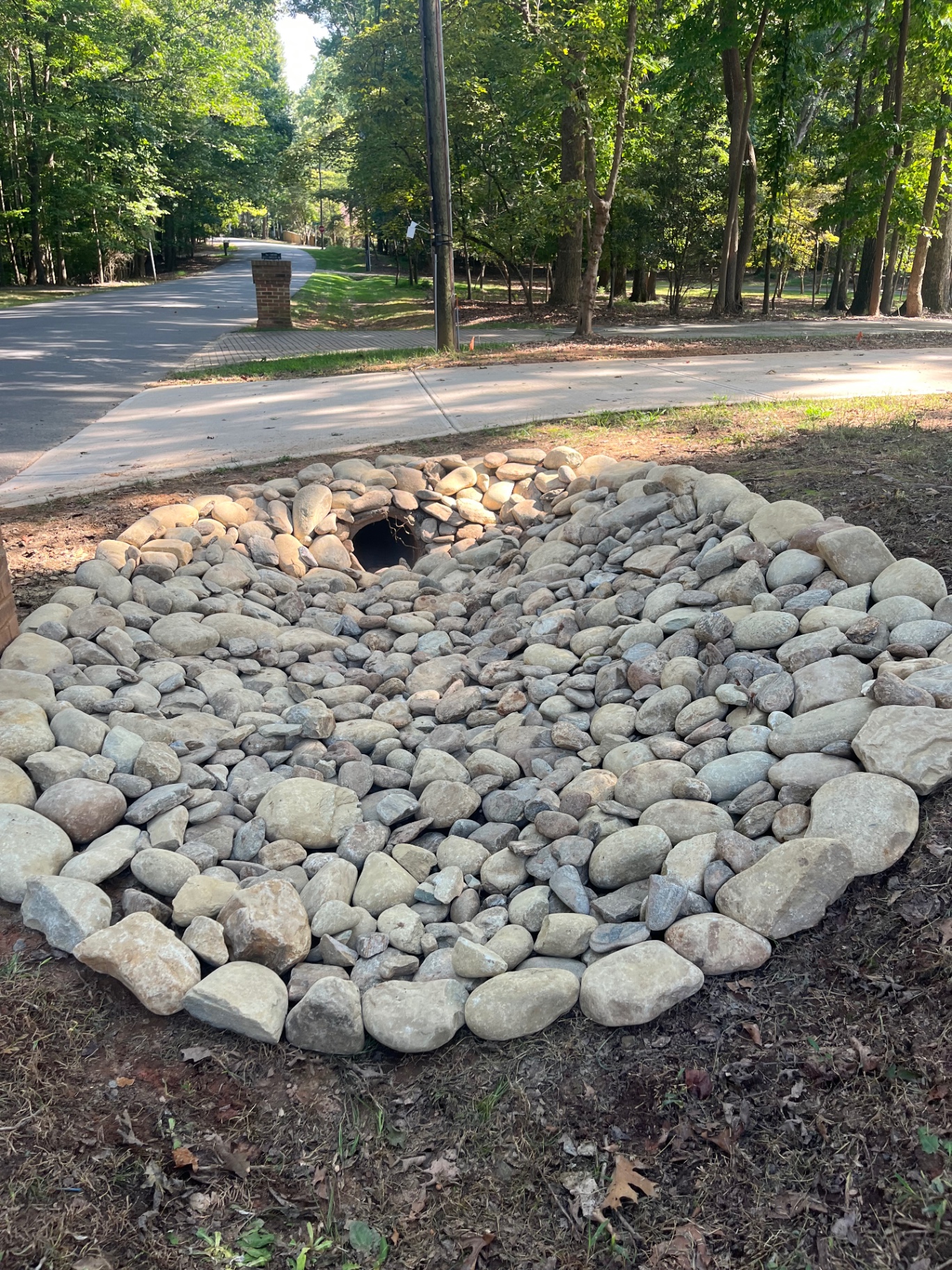
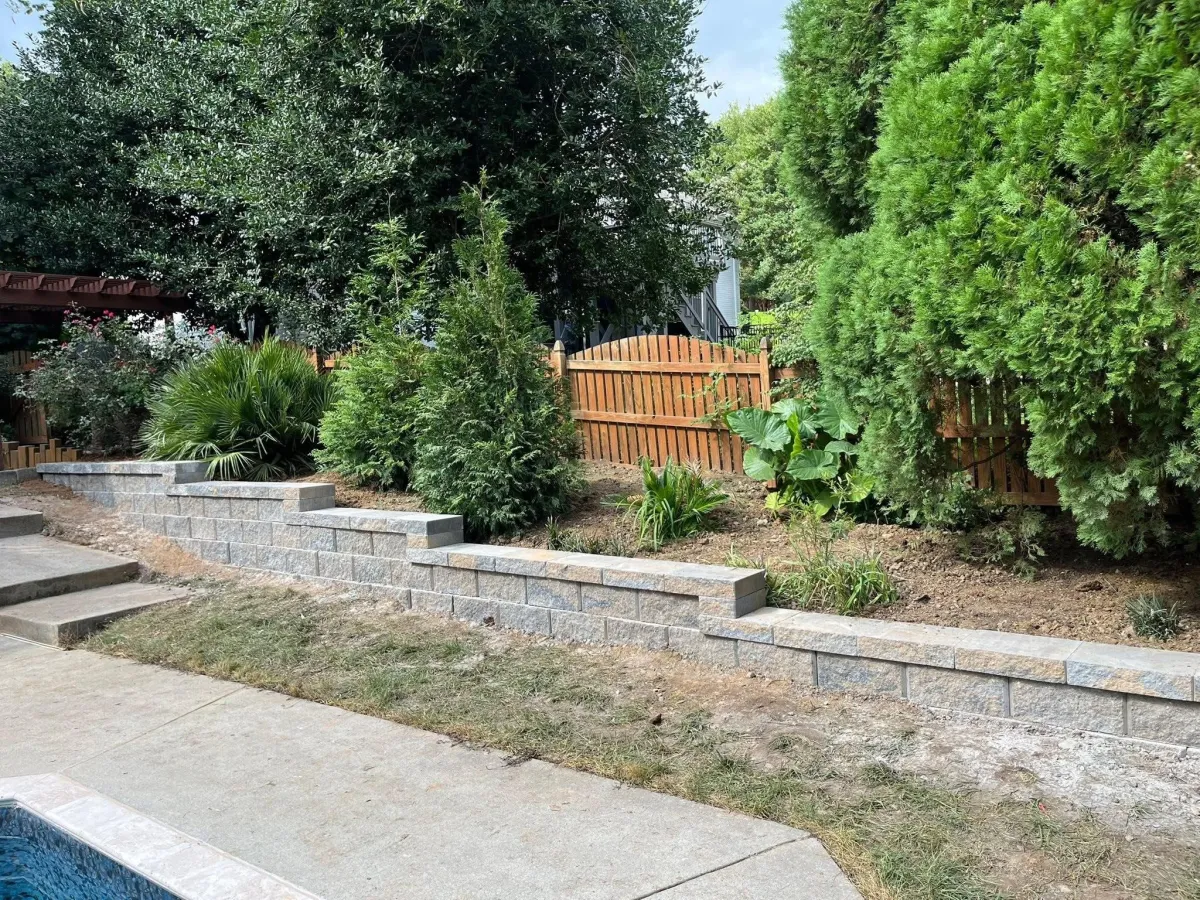
If the yard is sloped or wet, grading, walls and drainage come before finished surfaces. It is far cheaper to move dirt and set drain lines with an open site than to work around a finished patio.
A sequence that phases cleanly
This order lets each phase stand on its own and still work with the next:
- 1. Grading, drainage and any retaining walls.
- 2. Patio and walkways, with sleeves for future gas, water and electric.
- 3. Fire feature, seat walls and lighting.
- 4. Outdoor kitchen or covered structure.
- 5. Plantings, beds and irrigation to finish the edges.
The step that saves the most money
Run empty conduit sleeves under hardscape during the patio phase, even if the kitchen or lighting is years away. A few dollars of pipe during construction avoids cutting a finished patio later.
Frequently asked questions
How big should a patio be?
Size it around furniture and traffic. A dining set with chairs pulled out plus a walking path usually needs more depth than people expect.
Can you match new hardscape to existing?
Often closely, though older stone weathers. We usually blend by using the existing product in the field and a complementary border.
Should the fire pit be built in or portable?
Built-in reads better and lasts longer. Portable makes sense if you may reconfigure the space within a few years.
Want this looked at on your property?
We give free, no-pressure on-site estimates across Denver, Mooresville, Cornelius, Davidson, Huntersville and Troutman.