A renovation goes wrong when it starts with plant shopping. Start with what is failing and why, and the plant list writes itself later.
Decide what stays
Mature trees, healthy specimen shrubs and sound hardscape are assets — removing them resets the yard by a decade. Overgrown foundation shrubs, plants installed too close to the house, and anything sitting in a wet low spot are usually the first to go.
Fix the invisible problems first
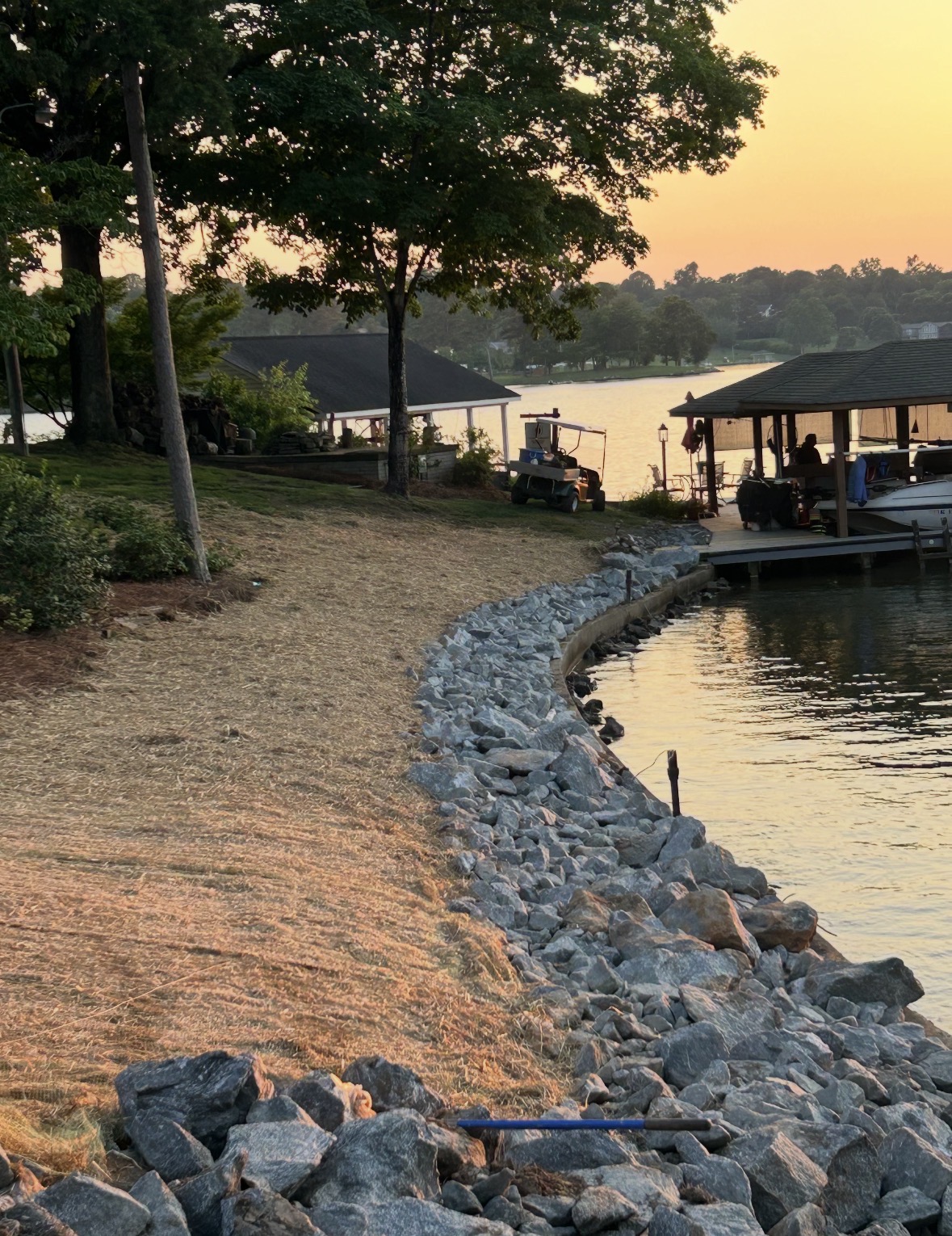
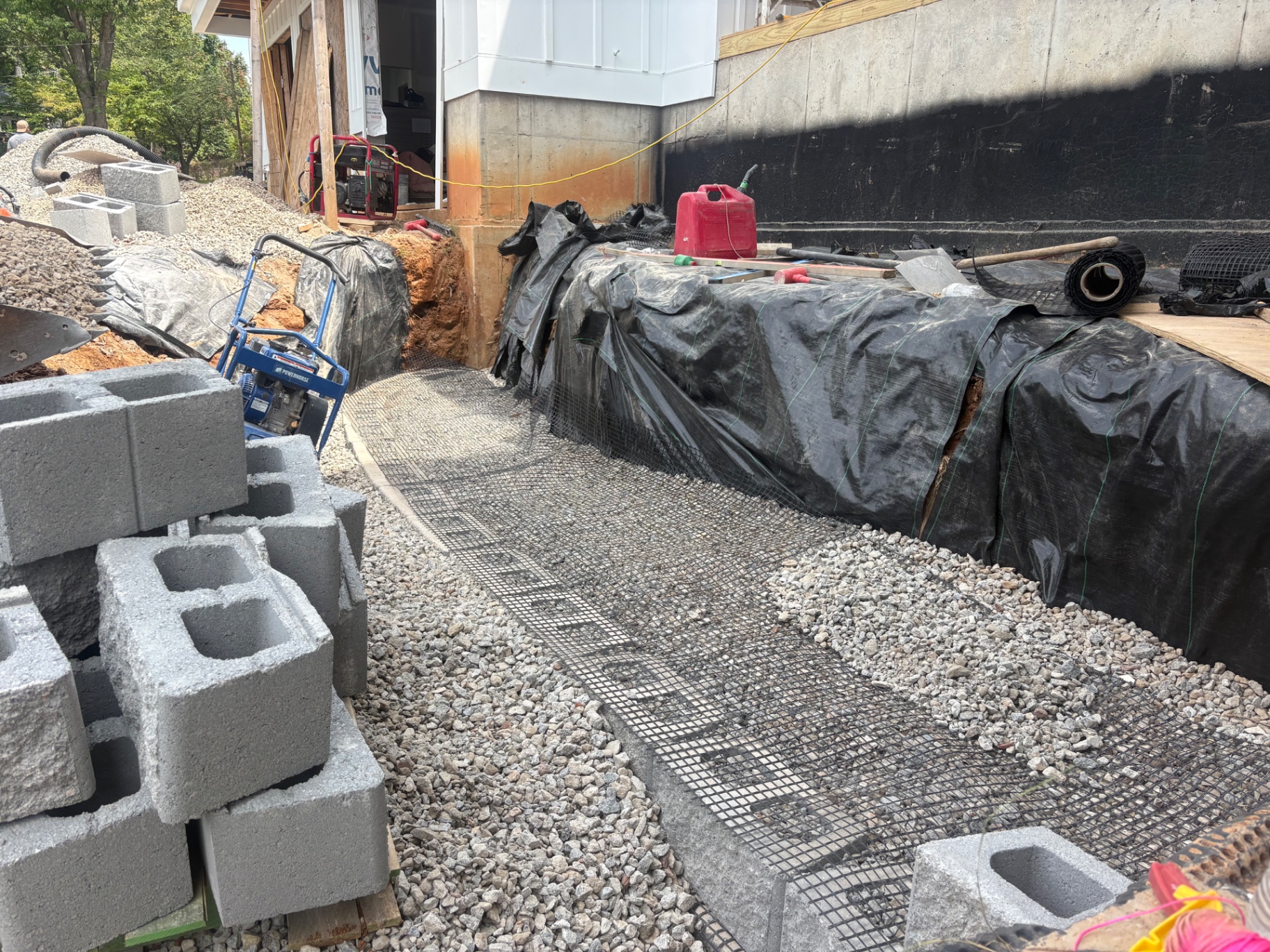
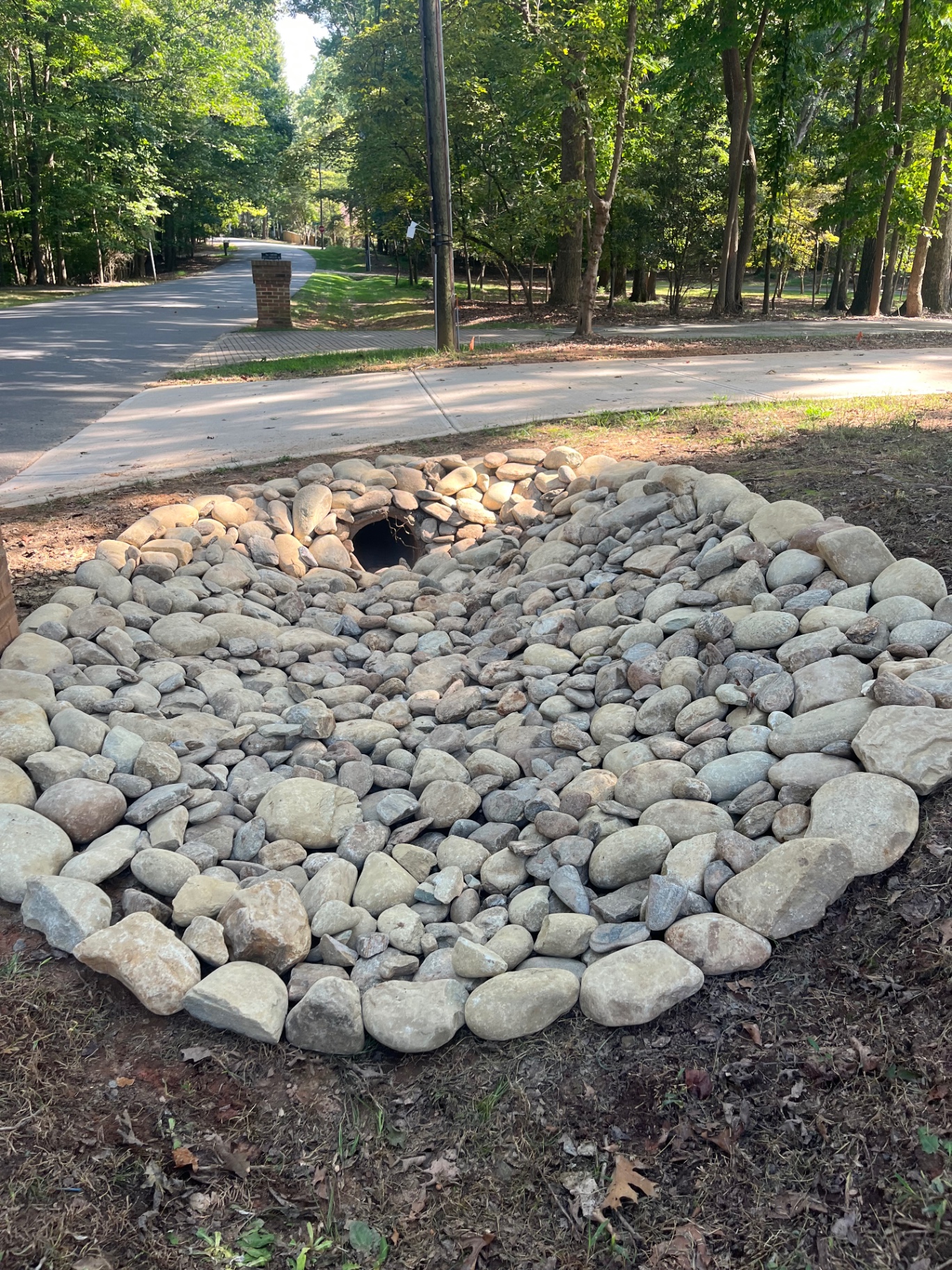
Drainage, grade and soil come before beds and plants. Planting a beautiful bed in a spot that holds water is money spent twice. If irrigation or lighting is planned, trenching happens before mulch and finished edges.
Renovation order that works
- Remove what is failing and grind stumps.
- Correct grade and drainage.
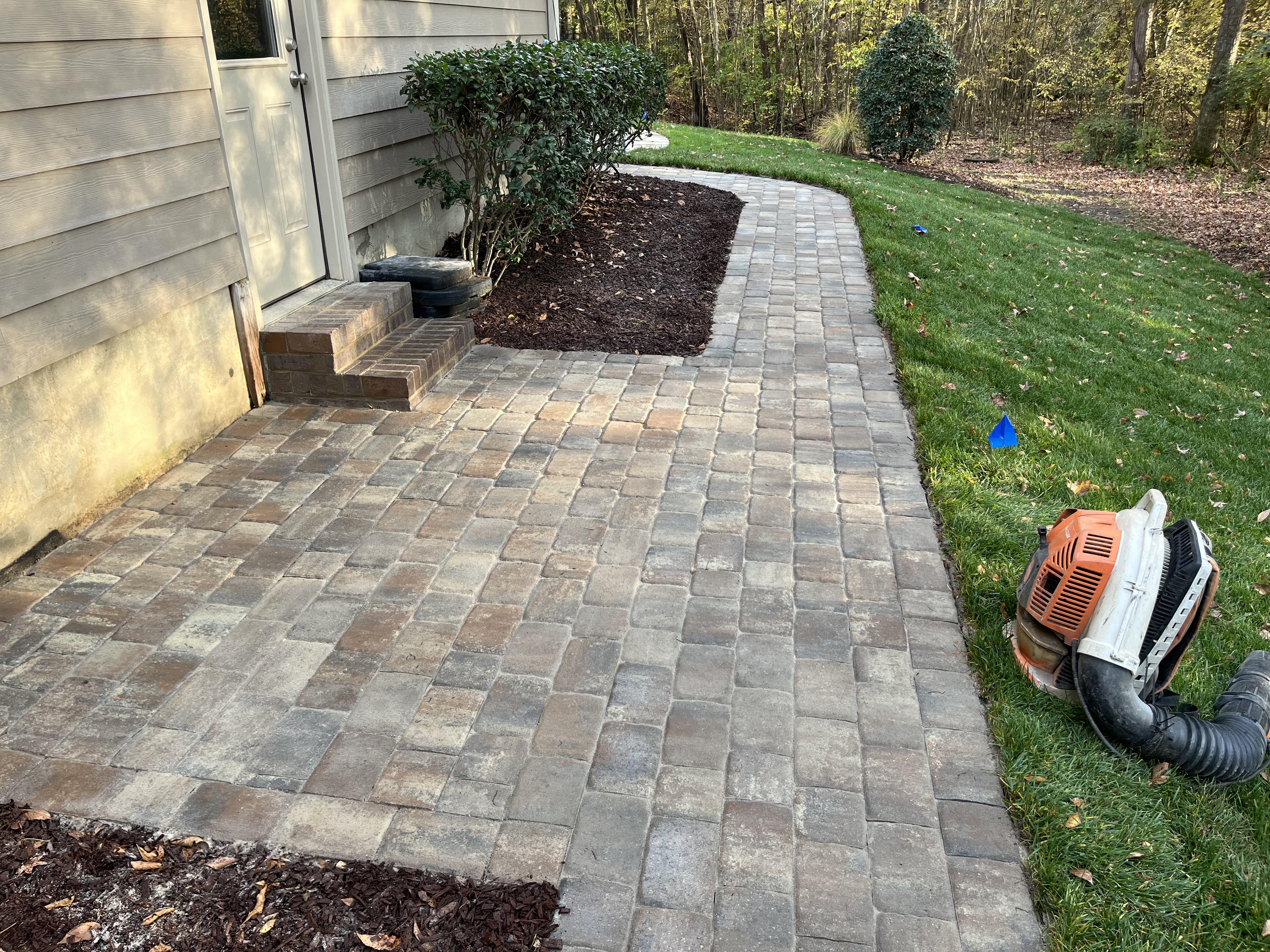
- Install or repair hardscape edges, walls and walkways.
- Rebuild bed lines and amend soil.
- Run irrigation and lighting.
- Plant, mulch and seed or sod.
Timing in the Carolinas
Fall is the strongest planting window here — roots establish through the cool season before summer heat. Spring works well too. Mid-summer installs are possible but demand disciplined watering. Fescue lawns seed best in fall.
Frequently asked questions
Should I renovate all at once or in phases?
Phasing is fine as long as grading and drainage happen first, so later phases are not dug up to fix water problems.
Is the existing soil worth amending?
Usually yes. Compost blended into compacted clay improves structure and drainage considerably for beds.
How long does a typical renovation take?
Most residential renovations run several days to a couple of weeks depending on hardscape, grading and access.
Want this looked at on your property?
We give free, no-pressure on-site estimates across Denver, Mooresville, Cornelius, Davidson, Huntersville and Troutman.